Statistics
How much mathematics has Tau Ceti formalized, and how fast is the roadmap that directs it growing? Each chart plots the total number of lines present at every commit, counted straight from the git history and rebuilt from scratch at each deploy, so the figures cannot drift.
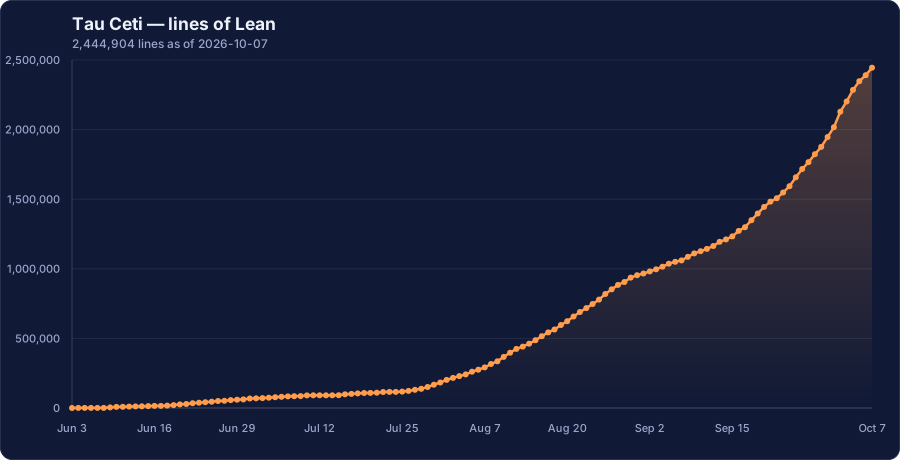
TauCeti/, total lines by date.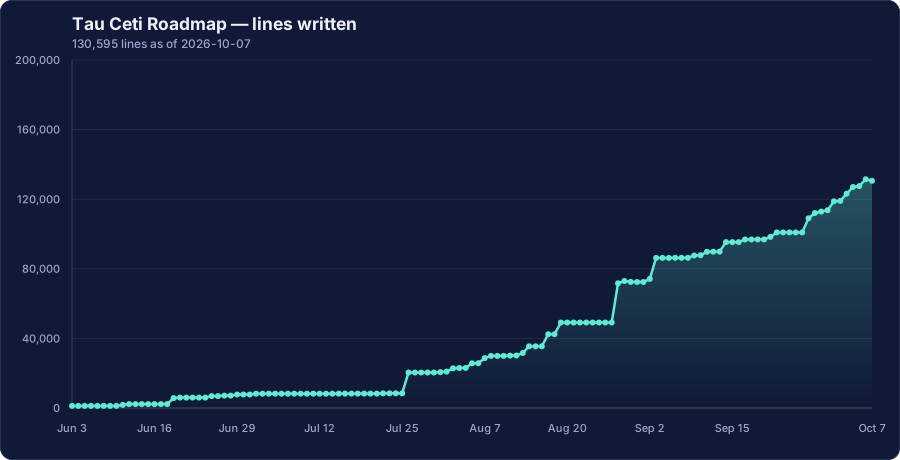
The vertical scales differ by an order of magnitude and on purpose: the library is
measured in tens of thousands of lines of Lean, the roadmap in thousands of lines of
prose and target statements. The library figure counts only the mathematics — the
files under TauCeti/ — not the website or tooling.
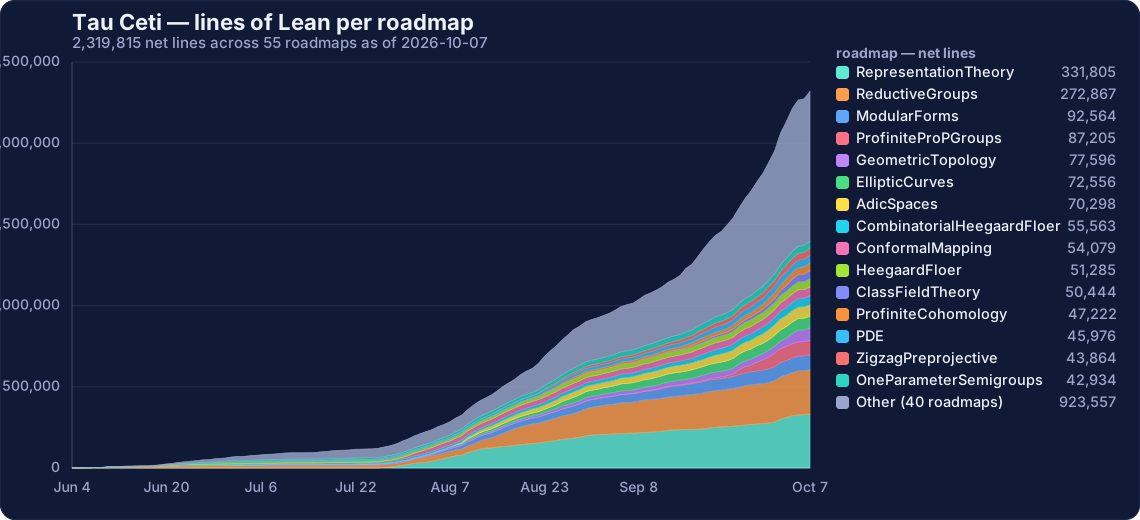
Which roadmap is all that Lean serving? Every pull request is labelled with the roadmap it advances, so we can split the library by roadmap. The chart below stacks the net lines each roadmap has accrued — every merged PR's additions minus its deletions, attributed to its roadmap — by the day the PR merged. Because it sums diffs rather than counting the lines in the tree, a line later rewritten counts under both PRs, so this measures work landed per roadmap, not a snapshot line count. Infrastructure and refactor PRs, which advance no roadmap, are left out. How far each roadmap has got against its own specification is a different question, answered on the Progress page.
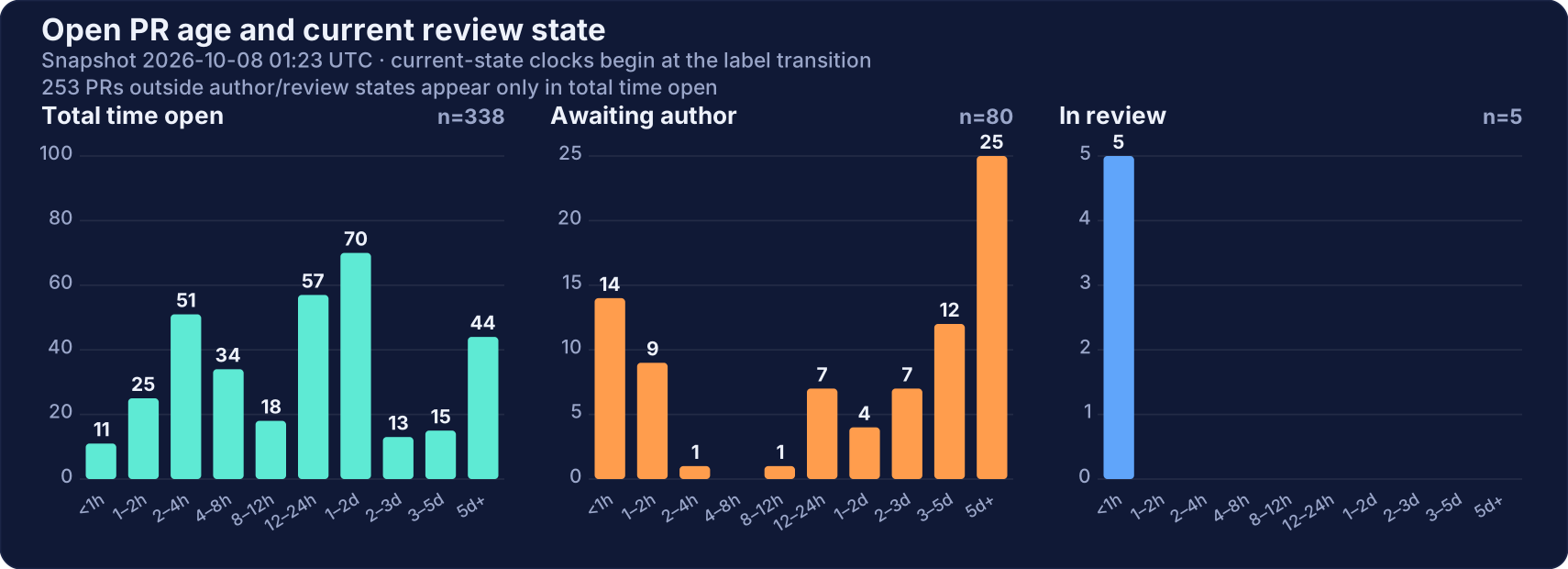
How is the contribution and review pipeline behaving? The first chart separates a
PR's total age from the clock on its current state. The author-action clock covers both
states that wait on a human, a failed build and a review that requested changes. PRs
outside the author-action and review states appear in total time open but not in the two
current-state panels.
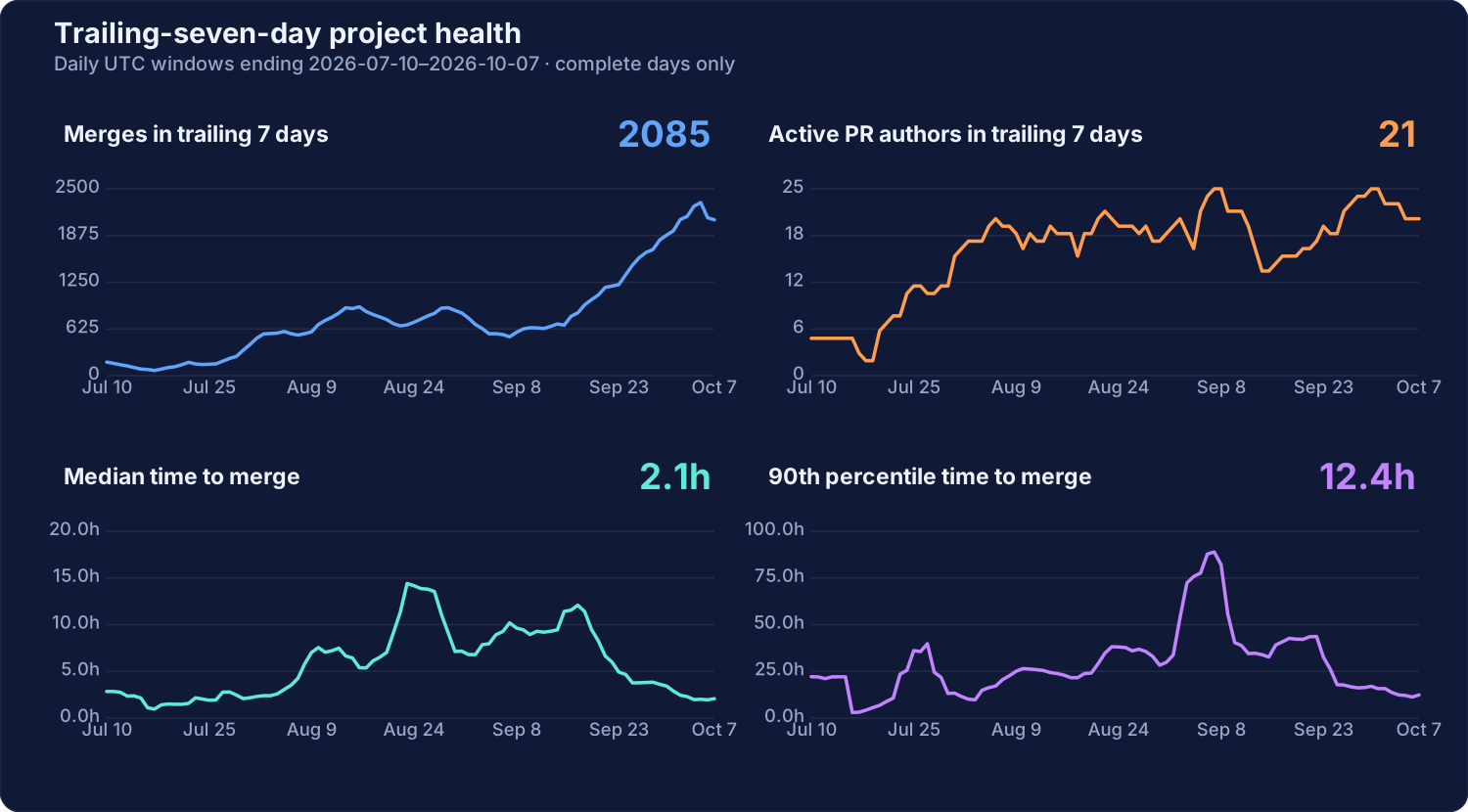
The rolling history uses complete UTC days. The review-cycle chart counts durable label
transitions rather than scoreboard comments, because a scoreboard
may be edited in place as later rounds complete. A cycle is one entry into review from
an author or CI state, so the pipeline swapping awaiting-review for
review-in-progress and back within a single round stays one cycle. Its subtitle states
when those review-state transitions first appear in project history.
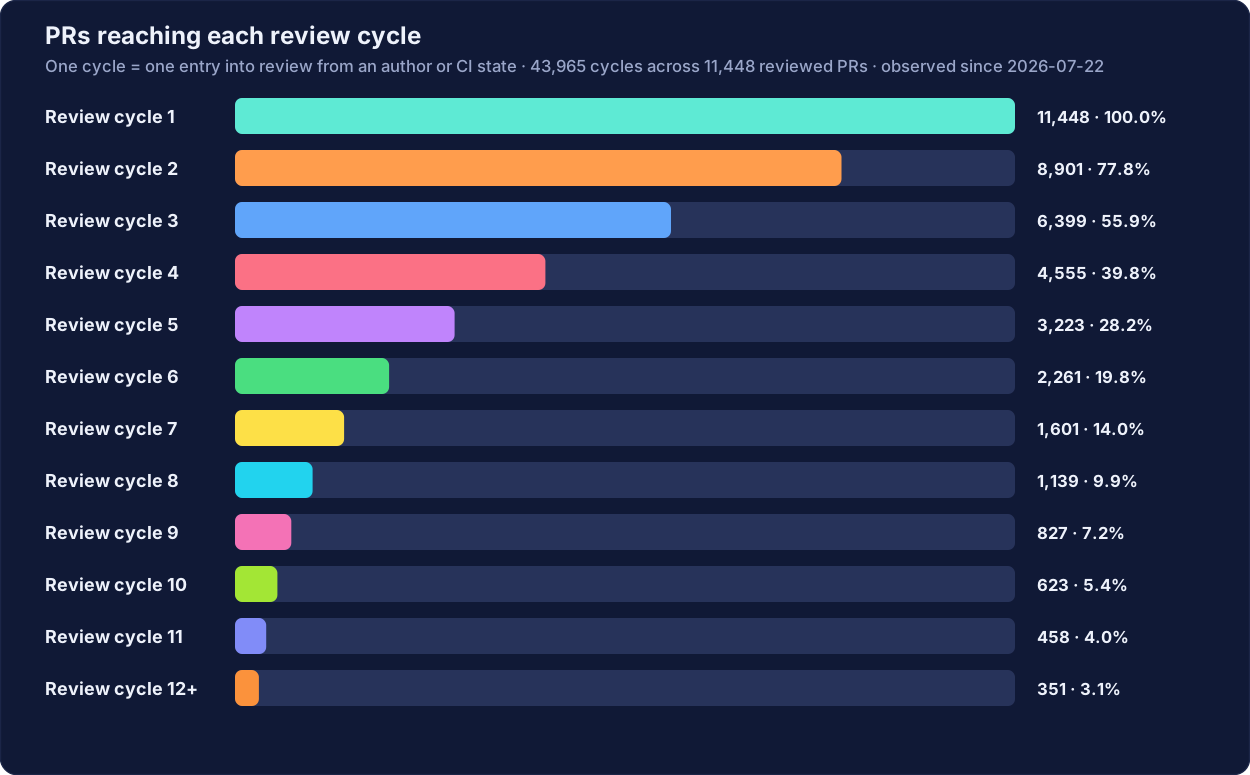
awaiting-review after its author's turn.
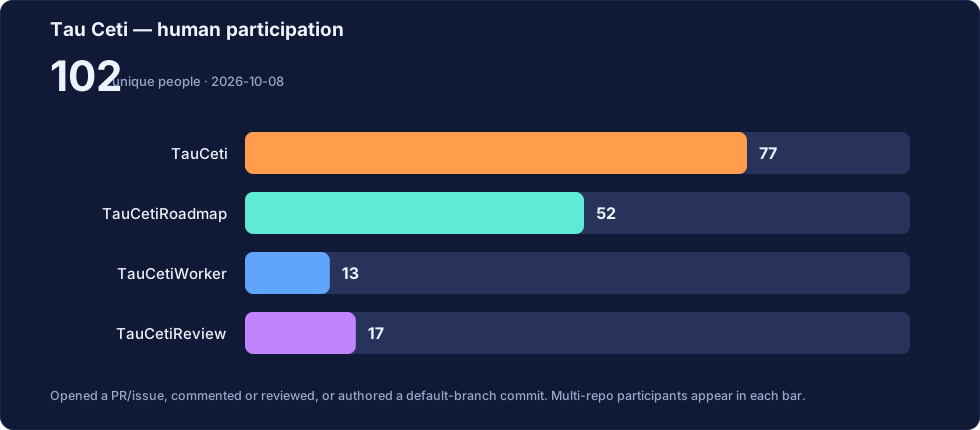
Who has taken part? The snapshot below counts GitHub accounts that have
opened a pull request or issue, participated in those conversations (including
reviews), or authored a commit on the default branch of TauCeti, TauCetiRoadmap,
TauCetiWorker, or TauCetiReview. Accounts recognised as automation are dropped:
logins carrying GitHub's [bot] suffix, together with the project's own automation
aliases. Nothing verifies that the accounts left over belong to people, so any
automation the filter does not recognise is still counted. The headline
deduplicates accounts across all four repositories; the repository bars
deliberately overlap.
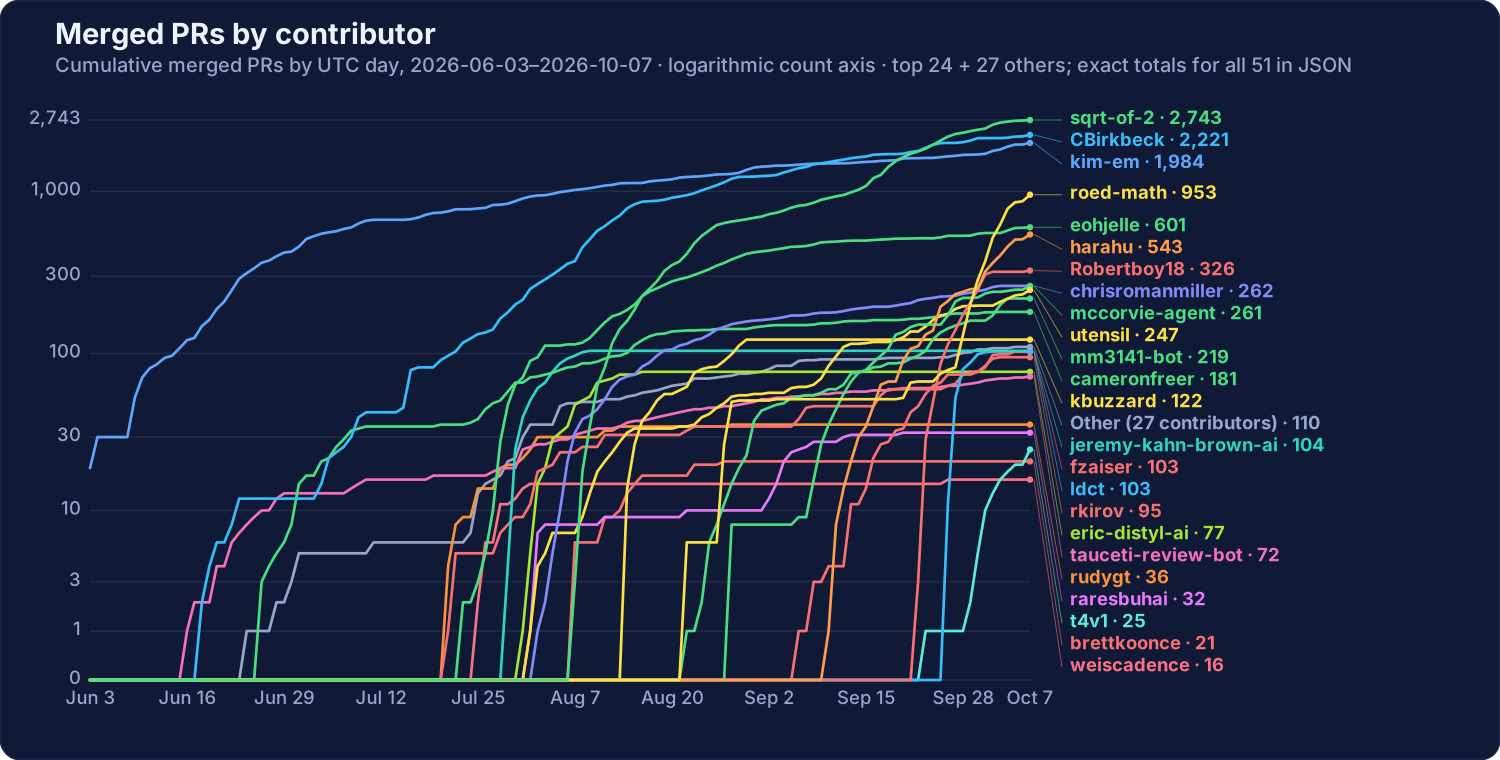
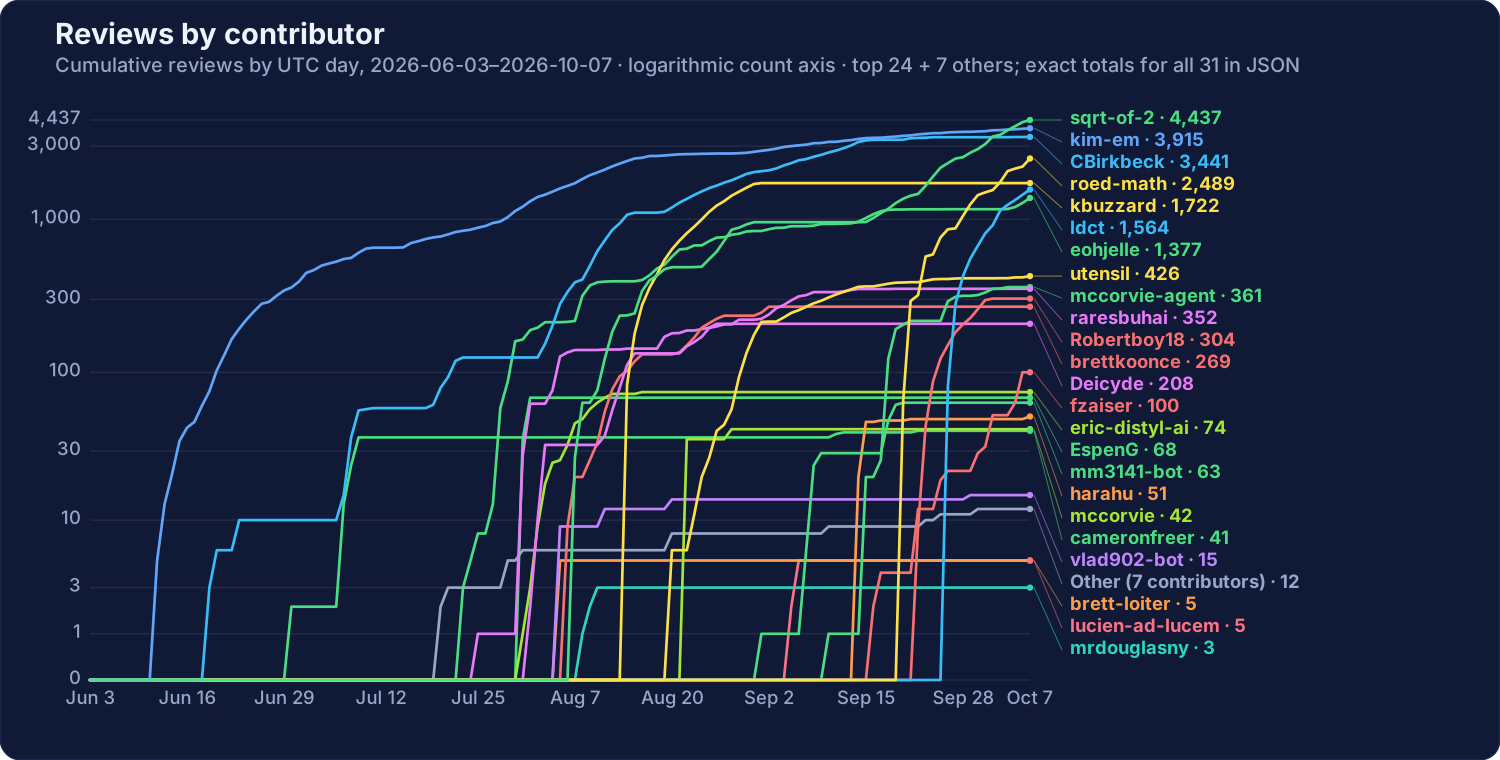
How have merged contributions and reviews accumulated? Like the rolling charts above, these
histories are drawn through the last complete UTC day, so a few hours of today never read as
a slowdown. They show every contributor while that remains legible, then cap themselves at 24
named lines and combine the remaining long tail. Exact totals for every login, counted right
through the snapshot instant, remain available in the generated
pr-stats.json. A review is one canonical v1 scoreboard whose
posting login also authors a merged PR in the fetched snapshot.
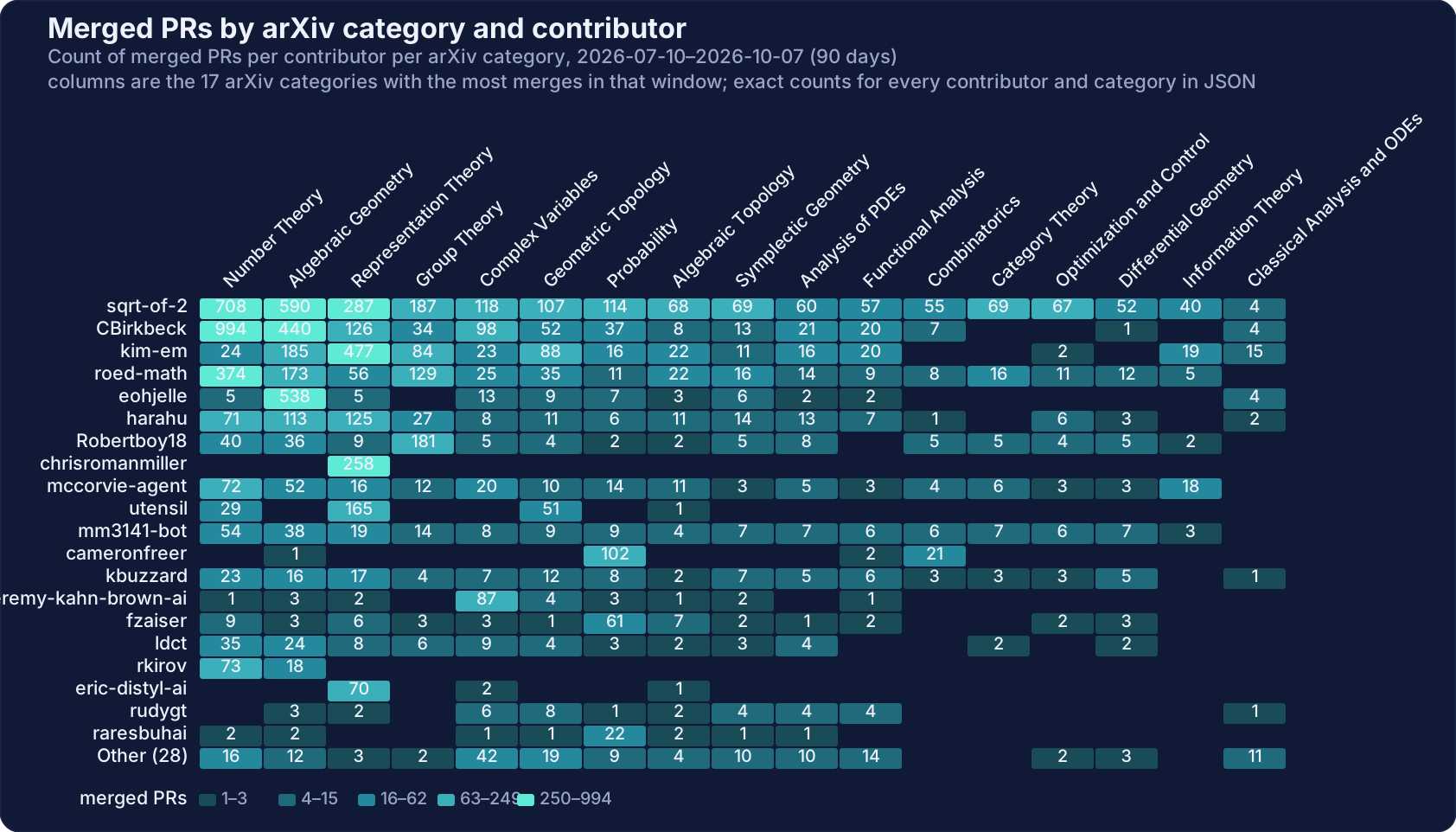
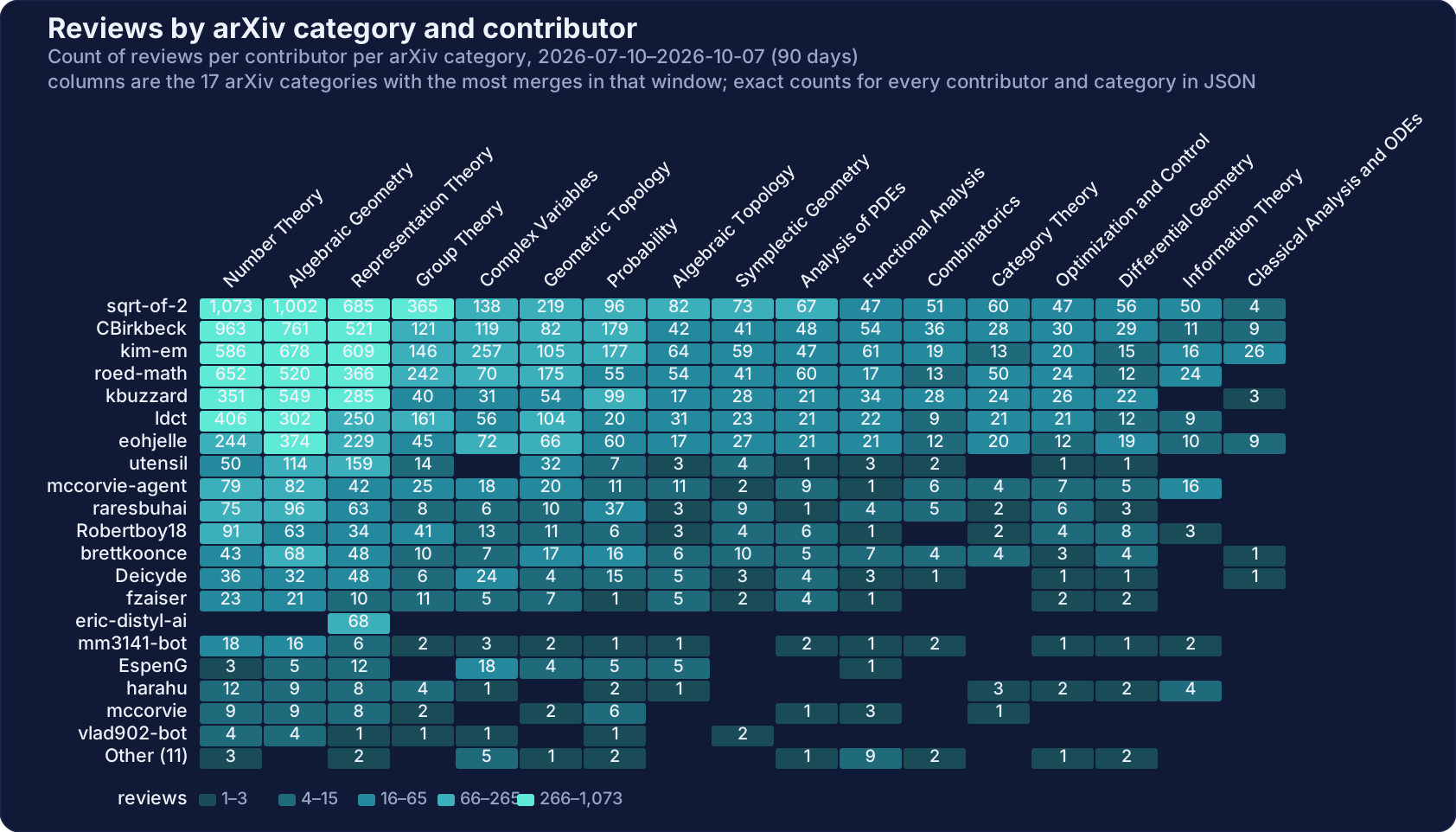
Who works where? The two grids below slice the same merges and reviews by area, over the trailing
ninety days. Each pull request counts under the arXiv category of the roadmap it carries, as that
roadmap declares it in its metadata.toml in TauCetiRoadmap; a roadmap that declares none counts
as Unsorted. Between them the grids answer the questions the cumulative histories cannot: who
already knows an area well enough to review for it, whether an area is resting on one person, and
where somebody has been spending their effort.
The columns are the categories with the most merges in that window, busiest first — every one of
those questions is about now. Both grids use the same columns, so they can be read against each
other. Past twenty categories the rest would share one Other column, and the quietest
contributors are summed into one Other row, so nothing is dropped; exact
per-contributor, per-category counts are in pr-stats.json.